Understanding Corticobasal Syndrome (CBS)
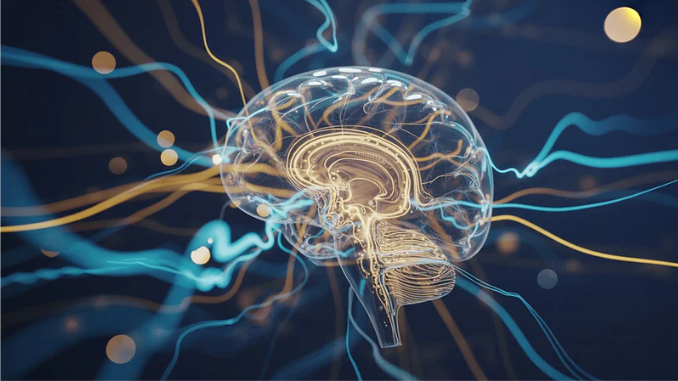
Corticobasal Syndrome (CBS) is a rare and complex neurodegenerative condition that falls under the category of atypical parkinsonian syndromes. While it shares some similarities with Parkinson’s disease, CBS has distinct features that set it apart and often make diagnosis more challenging. Raising awareness about this condition can help individuals and families better understand what to expect and how therapy can play an important role in maintaining independence and quality of life.
What Is Corticobasal Syndrome?
CBS is associated with abnormal accumulation of tau protein in the brain. This buildup forms neurofibrillary tangles, which contribute to progressive damage and loss of brain cells. The areas most commonly affected include the frontal and parietal lobes, as well as the brainstem. Because of the way the brain is involved, symptoms are often noticeably worse on one side of the body.
The exact cause of CBS remains unclear, and only a small percentage of cases are linked to inherited genetic factors.
Common Symptoms of CBS
Symptoms can vary from person to person, but some of the most common signs include:
Significant stiffness or weakness on one side of the body
Difficulty performing purposeful tasks (apraxia)
Alien limb phenomenon, where a limb seems to move involuntarily
Dystonia, or abnormal posturing of a limb
Myoclonus, which are sudden jerky movements
Poor coordination and clumsiness
Difficulty recognizing objects by touch
Speech and language challenges
Because symptoms often progress gradually, they may first appear subtle before becoming more noticeable over time.
CBS vs. Parkinson’s Disease
CBS is sometimes mistaken for Parkinson’s disease (PD), but there are several key differences:
Underlying Brain Changes - CBS is linked to tau protein accumulation, while Parkinson’s disease is primarily associated with alpha-synuclein protein changes.
Symptom Patters - CBS tends to remain strongly asymmetrical, meaning one side of the body is much more affected. In Parkinson’s disease, symptoms often begin on one side but usually become more bilateral over time.
Movement Differences - Apraxia, dystonia, and myoclonus are more common in CBS and less typical in Parkinson’s disease.
Tremor - A resting tremor, commonly seen in Parkinson’s disease, is rare or absent in CBS.
Medication Response - Levodopa, a common Parkinson’s medication, often provides little to no improvement in individuals with CBS.
How Is CBS Diagnosed?
There is currently no single test or imaging study that definitively confirms CBS. Diagnosis is based on a combination of:
Detailed medical history
Thorough neurological examination
Observation of symptoms over time
Clinical judgment from specialists
Because CBS is rare and symptoms can overlap with other neurological conditions, evaluation by an experienced neurologist is especially valuable.
Why Early Physical and Occupational Therapy Matters
Therapy is one of the most important tools for individuals living with CBS. While therapy cannot stop disease progression, it can help people function more safely and independently for as long as possible.
Physical and Occupational Therapy goals may include:
Improving balance and reducing fall risk
Managing stiffness, rigidity, and dystonia
Training safe transfers and movement strategies
Recommending appropriate mobility devices
Addressing apraxia of the affected limb
Adapting daily activities such as bathing, dressing, and eating
Early intervention is especially important because motor learning potential can decrease as the disease progresses.
Final Thoughts
A diagnosis of Corticobasal Syndrome can feel overwhelming, but understanding the condition is an important first step. With the right medical support, therapy, adaptive strategies, and education, individuals with CBS and their families can better navigate the challenges ahead.
If you or a loved one are experiencing symptoms consistent with CBS, speak with a neurologist and rehabilitation team to discuss evaluation and treatment options.