How does Neurologic PT/OT differ from standard PT/OT?
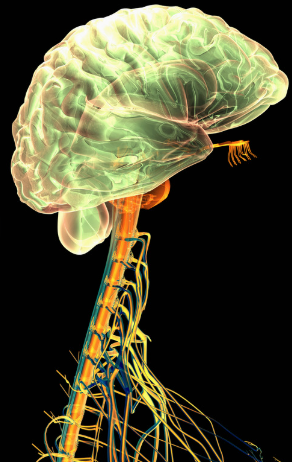
Neurological rehab (PT/OT) and “standard” orthopedic rehab overlap in basic principle such as movement, strength, flexibility, and ADLs. However, they differ in what they treat, how they approach recovery, and the underlying challenges involved.
Neurological PT/OT focuses on conditions involving the nervous system, such as Stroke, Parkinson's disease, Multiple sclerosis, Spinal cord injury and many others.
Standard PT/OT typically treats musculoskeletal issues like sprains, fractures, post-surgical rehab, or chronic joint pain.
Treatment approach
Neurological PT/OT:
Focuses heavily on retraining the brain and nervous system (neuroplasticity).
Motor control, balance training, coordination exercises, and functional tasks.
Focuses on retraining the brain to perform tasks, teaching compensatory strategies, and adapting the environment for safety and independence
Standard PT/OT:
Focuses on healing tissue and restoring strength and mobility.
daily tasks (ADLs) like dressing, cooking, working
Goals of therapy
Neurological PT: Improve independence in daily life such as walking, balance, coordination, and adapting to permanent changes if needed.
Standard PT: Return to pre-injury function, reduce pain, and prevent reinjury.
Complexity and adaptation
Neurological PT often requires creative, highly individualized strategies because symptoms can vary widely (e.g., muscle tone changes, tremors, or sensory loss).
Standard PT tends to follow more established protocols for specific injuries.
In short: standard PT repairs the body’s “hardware,” while neurological PT retrains the “software” that controls it.